


- What is value analysis?
- Why is it important?
- When to use it?
- How to use it?
What is value analysis?
Value analysis is a systematic effort of improveness. You can improve cost and/or performance of products or services and either purchased or produced. It reviews the materials, processes, IT systems and even the flow of materials involved.
It has two definitions depending of area of use:
Manufacturing: Systematic analysis that specifies and chooses the best value alternatives for designs, materials, processes, and systems. It is processed by repeatedly asking “can the cost of this item or step be reduced or eliminated, without diminishing the effectiveness, required quality, or customer satisfaction?”
Purchasing: Examination of each procurement item to detect its total cost of acquisition, maintenance and usage over its useful life and, wherever feasible, to replace it with a more cost effective substitute.
Download our e-book
Download our free e-book to discover how GQ Interim can transform your business with expert leadership solutions!
Why is it important?
Implemented diligently and strict, value analysis can show the results of:
- Material use and cost reduction
- Distribution costs reduction
- Waste reduction
- Profit margins improvement
- Customer satisfaction increase
- Employee morale increase
When to use it?
Value analysis should be part of a continuous improvement effort.
How to use it?
For use of value analysis is good to start by asking these questions:
- What is the function of the item, service?
- Is the function necessary?
- Can a lower cost standard part that serves the purpose be identified?
- To achieve a lower price, can the item be simplified, or its specifications relaxed?
- Can the item be designed so it can be produced more efficiently or more quickly?
- Can features that the customer values highly be added to the item?
The value analysis is useful for Value Stream Mapping what is a tool used to document the flow of products of services through a system. This tool allows companies to map the flow of products from raw material state, through all processing steps, and off the shipping dock as finished product.
Conclusion
Value analysis is more than a cost-cutting exercise—it’s a strategic methodology that balances functionality, quality, and customer satisfaction with financial performance. By challenging assumptions and asking critical questions about purpose, process, and efficiency, organizations can uncover hidden opportunities for innovation and improvement.
When integrated into a continuous improvement culture, value analysis not only reduces waste and unnecessary costs but also enhances customer value, strengthens competitiveness, and drives long-term operational excellence.
Interested in Interim Expert?
Discover how interim management can dramatically increase the efficiency of your business. Get in touch with our team to learn how working with GQ Interim will improve your company.
- Get started within few days
- Database of 10 000+ consultants
- Solving crucial problems of your business
- Custom solutions for your business needs
- Proven results with measurable impact
Related articles
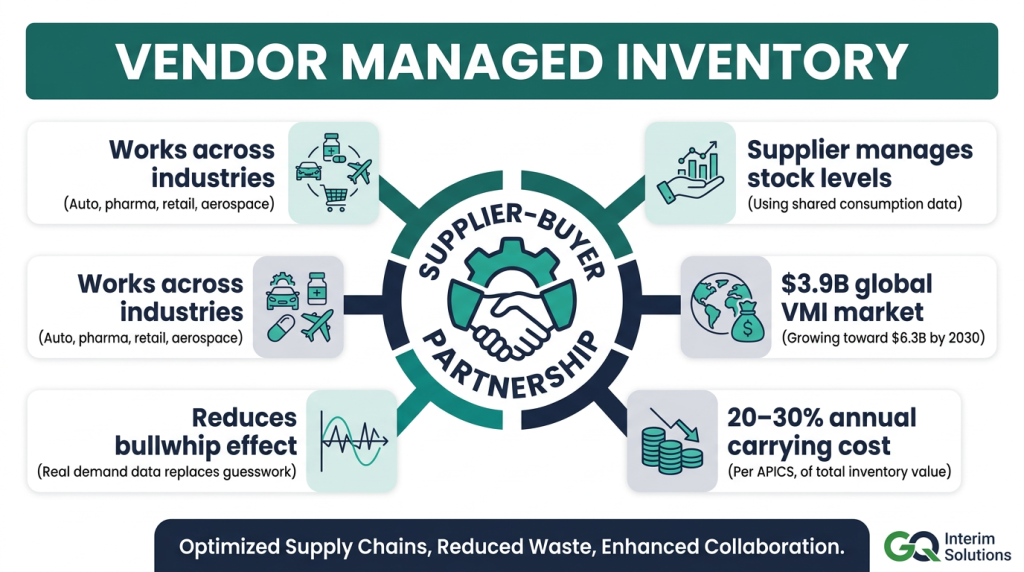
- Wondering if Vendor Management Inventory is right for your plant or network? This guide unpacks how VMI works, where it delivers savings and stability, the pitfalls to avoid, and the KPIs and tech you need to stay in control.

- Managing every supplier the same way rarely delivers the best results. Supplier segmentation helps businesses prioritize supplier relationships, reduce risk, and focus procurement efforts where they create the greatest value.

- Hiring a senior sales leader is one of the most important decisions a growing business can make. Learn how sales executive search works, when it's the right choice, and why it consistently delivers stronger long-term hiring outcomes than traditional recruitment.

- Great products don't happen by accident. Behind every successful product is strong leadership that aligns business strategy, customer needs, and cross-functional teams. Discover what product leadership involves, why it matters, and how it helps businesses make better product decisions.
